IPL Venue-Based Performance Analysis (Stadium-Wise Strategy Guide 2026)
Posted on March 7, 2026 by admin
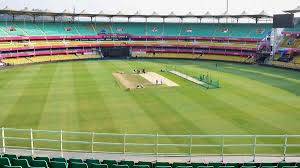
IPL Venue-Based Performance Analysis 2026
Stadium-Wise Strategy Guide for Smarter Match Understanding
The Indian Premier League (IPL) is played across multiple stadiums in India, each with unique pitch behavior, boundary dimensions, and weather influence. Unlike tournaments held at limited venues, IPL matches shift location regularly, making venue analysis extremely important.
Understanding how different stadiums behave helps predict scoring trends, wicket patterns, and match flow.
This detailed guide explains how venue-based performance analysis can improve IPL match evaluation in 2026.
Why Venue Analysis Matters in IPL
Every stadium has:
- Different pitch composition
- Unique boundary size
- Varying outfield speed
- Local weather influence
- Historical scoring trends
Ignoring venue data leads to incomplete analysis.
Venue behavior often impacts:
- ✔ Total runs scored
- ✔ Powerplay performance
- ✔ Spin vs pace dominance
- ✔ Chasing success rate
Types of IPL Venues
1️⃣ High-Scoring Venues
Characteristics:
- Flat pitch
- Short boundaries
- Fast outfield
- Dew-friendly conditions
Match Impact:
- 180+ totals common
- Aggressive batting encouraged
- Bowlers under pressure
These venues often produce exciting, high-run matches.
2️⃣ Balanced Venues
Characteristics:
- Moderate bounce
- Equal support for bat and ball
- Standard boundary size
Match Impact:
- Scores between 160–180 typical
- Strategy plays major role
- Momentum swings common
Balanced venues require adaptability.
3️⃣ Low-Scoring Venues
Characteristics:
- Slow surface
- Spin assistance
- Lower bounce
- Dry conditions
Match Impact:
- 140–160 totals common
- Middle overs become critical
- Spinners dominate
These venues demand patience and tactical discipline.
Key IPL Stadium Trends
Mumbai
- Known for true bounce.
- High scoring matches frequent.
- Dew plays significant role in night games.
- Chasing often preferred.
Chennai
- Traditionally spin-friendly.
- Slower pitch conditions.
- 150–170 competitive totals.
- Batting first sometimes advantageous.
Kolkata
- Balanced conditions.
- Can support big totals.
- Slight slowdown in later overs.
- Versatile gameplay environment.
Delhi
- Short boundaries.
- High scoring potential.
- Batters enjoy favorable conditions.
Hyderabad
- Mixed behavior.
- Occasionally slow.
- Requires careful assessment before match.
Venue Impact on Powerplay
At high-scoring venues:
- Powerplay totals often exceed 50.
- Aggressive starts common.
At slow venues:
- 40–45 considered strong.
- Early wicket loss impacts total heavily.
Venue context changes powerplay expectations.
Venue Impact on Middle Overs
In spin-friendly stadiums:
- Middle overs become match-defining.
- Strike rotation crucial.
- Partnerships determine success.
In flat venues:
- Scoring continues steadily.
- Boundaries easier to find.
Understanding venue trend improves phase analysis.
Venue Impact on Death Overs
Flat grounds:
- High finishing totals.
- 60+ runs common in final five overs.
Slow grounds:
- Bowlers can control run flow.
- Slower deliveries effective.
Venue plays a strong role in death overs outcome.
Home Team Venue Advantage
Teams often:
- Build squad around home pitch behavior.
- Design strategies suited to local conditions.
For example:
- Spin-heavy team at slow venue.
- Power-hitting lineup at flat ground.
Venue familiarity provides subtle edge.
Weather Interaction with Venue
Weather can modify venue behavior:
- Dew increases chasing advantage.
- Heat can slow pitch further.
- Humidity affects ball grip.
Venue + Weather combination is critical in match evaluation.
How to Analyze Venue Before Match
- Check historical average score at stadium.
- Review last 5 matches played there.
- Identify common winning strategy (bat first or chase).
- Consider pitch report on match day.
- Evaluate team suitability to ground conditions.
Venue analysis improves prediction clarity.
Venue-Based Match Scenario Example
Scenario:
Stadium: Slow surface
Average first innings score: 155
Team A strong spin attack
Team B weak against spin
Venue advantage clearly influences match direction.
Ignoring venue data would reduce analytical accuracy.
Importance of Venue in IPL 2026
With multiple stadium rotations:
- Teams must adapt quickly.
- Strategy changes per ground.
- Flexibility becomes key.
- Venue awareness differentiates structured analysis from guesswork.
Common Mistakes in Venue Analysis
❌ Assuming all IPL venues behave similarly
❌ Ignoring historical trends
❌ Overestimating star players without considering pitch
❌ Not checking weather conditions
Each stadium tells a different story.
Long-Term Strategic Insight
Across IPL seasons:
- Teams performing well at multiple venues show strong adaptability.
- Venue-specific dominance improves consistency.
- Balanced squads handle varied conditions better.
Venue analysis supports long-term understanding.
Responsible Analytical Reminder
Venue trends provide probabilities, not certainties.
Even at low-scoring grounds:
- Individual brilliance can change outcome.
- Unexpected performances occur.
Always maintain balanced evaluation.
Final Conclusion
Venue-based performance analysis is one of the most important tools in IPL match understanding for 2026.
Each stadium offers unique characteristics affecting:
- ✔ Total runs
- ✔ Powerplay scoring
- ✔ Middle overs control
- ✔ Death overs finishing
- ✔ Overall strategy
Successful analysis combines venue history with team composition and match conditions.
In modern IPL cricket, adaptability across venues defines consistent performance.
Venue knowledge transforms simple observation into structured insight.
Frequently Asked Questions (FAQ)
- Why is venue analysis important in IPL?
Because each stadium has unique pitch and boundary conditions influencing scoring patterns. - Do some venues favor batting more?
Yes. Certain stadiums are known for high-scoring matches due to flat surfaces and shorter boundaries. - Can venue behavior change over time?
Yes. Pitch preparation, season timing, and weather conditions can alter trends. - Should venue data be combined with other analysis?
Absolutely. Venue should be considered alongside team strength, form, and weather. - Is venue analysis enough to predict outcomes?
No. It improves understanding but does not guarantee results.
Let me know if you need further changes or additions!
